

Key Takeaways
- Auditing a game art vendor pipeline prevents costly errors and delays during production.
- Clearly defined briefs, milestone tracking, and structured feedback loops help maintain quality and style consistency.
- Quality control checks, secure file handoffs, and risk management protocols reduce the risk of missed deadlines and asset mismatches.
- Ongoing vendor evaluation ensures your studio’s goals and production needs remain aligned.
- Strong pipeline audits directly support better monetization and player retention in mobile games.
The global video game market continues to expand, reaching USD 322.6 billion in 2025 and projected to grow to USD 351.6 billion in 2026, according to Grand View Research. Mobile games drive much of this surge, prompting studios to rely on mobile game art outsourcing to scale production without losing quality or speed. However, poor vendor pipeline management can cause expensive fixes, project delays, and inconsistent player experiences. These issues directly impact retention and monetization.
For business buyers, knowing how to audit a game art vendor pipeline is essential. Mobile game art outsourcing offers both advantages and risks, so outsourcing managers need structured evaluation methods, not just gut instinct. This guide breaks down a step-by-step approach to vetting a vendor’s art production pipeline. You’ll learn how to craft clear briefs and set up risk controls, with practical recommendations to ensure creative delivery and business value. Use this as a resource for your next vendor review or as an ongoing checklist for managing outsourced partnerships in the game art outsourcing companies space.
Step-by-Step Audit Process for Game Art Vendor Pipelines
A solid audit process protects your creative vision, project schedules, and business outcomes. Each of the steps below targets a specific area of pipeline risk or due diligence. Stick to this art production pipeline checklist for a comprehensive game art vendor audit and ongoing game art vendor evaluation.
- Define Project Scope and Goals
List specific deliverables, deadlines, and quality expectations before vendor talks begin. Early alignment keeps creative and operational teams on the same page. - Review Vendor Credentials and Prior Work
Study the vendor’s portfolio for matching game types, styles, and production scale. Ask for case studies and references. Request relevant samples that mirror your quality expectations. - Assess Brief Clarity and Requirements Documentation
Make sure the vendor supplies detailed art briefs and requirements. Check for clarity in asset lists, technical limitations, and file formats. Precise briefs enable smooth execution. - Evaluate Milestone Planning and Deliverable Schedules
See if milestone dates align with your roadmap and allow for review cycles. Each deliverable should have a clear deadline, review window, and acceptance criteria. Careful planning helps spot problems early. - Scrutinize Feedback Loops and Revision Policies
Understand how feedback is tracked and managed. Look for set revision limits, turnaround times, and escalation paths for open issues. Structured feedback keeps projects on schedule. - Check File Handoff Protocols and Version Control
Review how files are named, stored, and handed off. Confirm that secure protocols protect assets and version control prevents errors or data loss. - Inspect Quality Assurance (QA) and Review Procedures
Request the vendor’s QA process outline. Check if they run both manual and automated reviews, how they log and resolve defects, and how they enforce acceptance standards. - Examine Style Guides and Consistency Checks
Ensure the vendor maintains detailed style guides and regular internal reviews. Guides should address art style, branding, and in-game context. - Review Risk Controls and Contingency Plans
Ask for a written risk register with mitigation steps for missed deadlines, team shifts, or asset issues. Vendors should have contingency plans and clear emergency communication protocols. - Schedule Regular Vendor Performance Reviews
Set up periodic performance check-ins. Track delivery reliability and responsiveness with formal metrics to support game art vendor evaluation and drive improvements.
When you apply these steps, you increase trust and clarity while lowering the risk of expensive mistakes.
Setting Clear Briefs and Requirements
Clear, detailed briefs are the foundation of every outsourcing partnership. Without them, studios often end up with assets that miss the mark or require repeated revisions. Game art pipeline due diligence should start with how you communicate priorities and requirements to vendors, especially in mobile game art outsourcing.
Essential Elements of a Game Art Brief
A solid brief covers asset counts, visual style references, target platform specs, and branding constraints. List each deliverable, such as character sprites or UI elements. Note which software, technical pipelines, or third-party tools are required. Link objectives to gameplay context, like “idle animation for combat phase” or “energy refill icons.” For detailed guidance, consider using a game art RFP template to structure your briefs effectively.
Avoiding Ambiguity in Requirements
Vague language leads to wasted time and frustration. Instead of “make it pop,” use annotated sketches, reference screenshots, or visual mood boards. Both your team and the vendor should review the brief together to catch ambiguities before production starts.
Aligning Creative Vision with Business Goals
Briefs should clarify not just the creative vision but also how each asset contributes to your business strategy. Share brand values and audience info, and connect assets to monetization or retention. For example, if premium cosmetic items drive revenue, describe their unique features and value within the game economy.
Spending extra time at the briefing stage sets up faster production and consistent results for your mobile game art outsourcing projects.
Milestone Planning and Tracking Progress
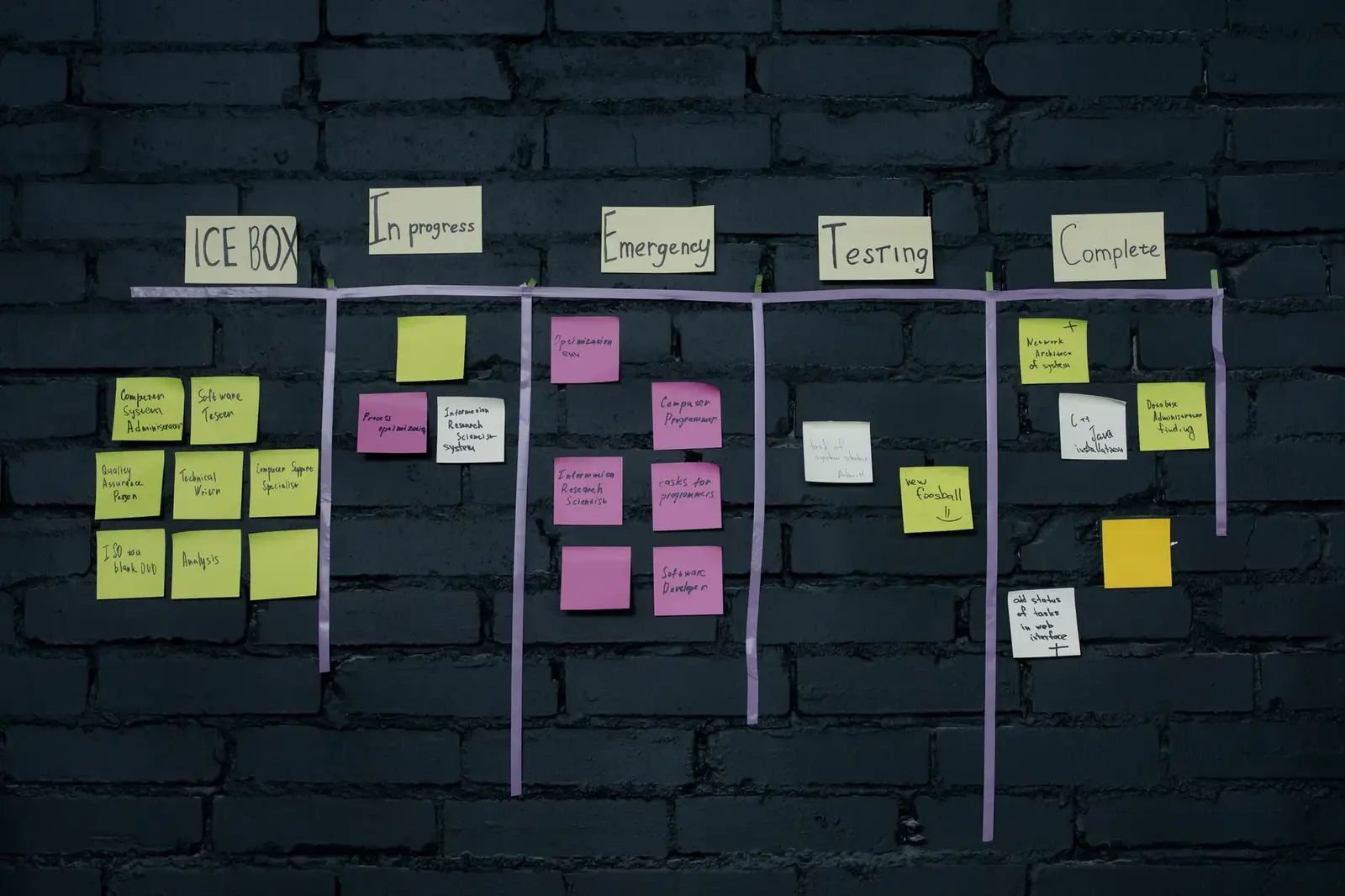
Milestone planning gives you visibility into progress, risks, and budget status at every stage. Tracking these checkpoints lets you address issues before they become major setbacks. According to Precedence Research, the global IT services outsourcing market is projected to reach USD 716.24 billion by 2026, showing how vital scalable oversight is across all creative industries. Every game art vendor audit should include milestone oversight as part of the art production pipeline checklist.
Here’s a sample milestone plan for a mobile game art project:
| Milestone | Deliverable | Due Date | Review Criteria | Responsible Party |
|---|---|---|---|---|
| Kickoff Meeting | Finalized creative brief | Day 1 | All stakeholders aligned; feedback incorporated | Studio + Vendor |
| Concept Art Delivery | Main character sketches | Day 10 | Matches brief, references included | Vendor |
| Style Guide Approval | Visual style guide | Day 15 | Alignment with brand and gameplay context | Studio |
| First Asset Batch | 10 environment props | Day 25 | Technical specs passed, initial style review | Vendor |
| Mid-Milestone Review | Full set of character assets | Day 35 | Progress review and feedback session | Studio + Vendor |
| QA Pass | Technical and aesthetic checks | Day 40 | No critical defects, feedback addressed | Studio QA |
| Final Deliverables | All in-game assets delivered | Day 45 | All milestones complete, files ready for handoff | Vendor |
| Handoff Confirmation | Transfer and sign-off meeting | Day 46 | All assets securely delivered and documented | Studio + Vendor |
These checkpoints make progress transparent and help both buyers and vendors stay on track. Well-planned milestones support both your art production pipeline checklist and vendor evaluation.
Quality Control and Review Mechanisms
Quality control ensures every asset meets your creative and technical needs. With the global IT outsourcing market expected to generate USD 618.36 billion in revenue in 2026, according to Statista, studios must maintain high standards with structured game art outsourcing quality control. A good game art vendor audit always reviews these quality processes.
Asset Review Checklists
Asset-specific checklists clarify acceptance criteria and help avoid repeat errors. These lists should cover visual fidelity, technical specs like polygon count or texture resolution, and integration-readiness. Items to check include naming conventions, adherence to style guides, correct software version, and fit with gameplay context. Running every asset through defined checks helps prevent costly corrections later.
Automated and Manual QA
Combine automated checks (file integrity, naming, format compliance) with manual visual reviews. Automations catch missing files or size errors, while manual review ensures assets are on brand and visually engaging. Assign QA ownership clearly to avoid missed steps.
Handling Feedback and Iterations
A good feedback process logs each issue, assigns responsibility, and tracks time to resolution. Use a shared platform, such as Jira or ShotGrid, to centralize feedback. Limit revision rounds to avoid endless cycles, and keep a changelog for transparency.
Thorough quality control supports predictable delivery, matches client expectations, and underpins a reliable game art vendor audit.
Managing Feedback Loops and Communication
Timely and structured feedback keeps outsourced projects on track. Delays or unclear communication often cause missed deadlines and project misalignment. Game art vendor evaluation relies on maintaining clear, actionable communication, especially in fast-paced mobile game art outsourcing.
Link your feedback schedule to your milestone plan. Schedule regular check-ins, weekly reviews or after each asset batch. Define who gives and receives feedback on both the studio and vendor side. Use tools like Slack, Teams, or Trello for daily updates, and platforms like Jira or Monday.com for revision tracking.
Best practices for feedback management include:
- Set review deadlines (for example, within 48 hours of delivery).
- Use annotated screenshots or recorded walkthroughs for clarity.
- Escalate unresolved issues to a project manager after a set time.
- Make all feedback visible to both teams, and archive past iterations.
Consistent, transparent communication helps drive faster approvals and reduces miscommunication in mobile game art outsourcing. For studios looking to build or expand their internal capabilities, reading about a game art outsourcing studio can provide valuable insights.
Ensuring Secure and Efficient File Handoffs
Structured file transfer protocols protect your game’s intellectual property and reduce version confusion. As the global logistics outsourcing market is projected to reach USD 1.45 trillion in 2026, according to Precedence Research, business buyers place high value on reliable handoff procedures in game art pipeline due diligence and the art production pipeline checklist.
File Naming and Version Control
Use standardized file naming that includes asset type, version number, artist initials, and review status. For example, “CHARMainHeroV03JD_Approved.psd” shows exactly what the file contains and its status. Pair this with a cloud-based or git-driven version control system, so anyone can access or roll back assets as needed.
Secure Transfer Protocols
Choose access-controlled cloud storage like AWS S3, Google Drive Enterprise, or an art review portal to keep assets secure and encrypted. Restrict file access to those who need it. Never rely solely on email attachments or unsecured links for final assets.
Documentation for Handoff
Attach a “readme” document for each major handoff. List file names, version history, and review status. Use a formal sign-off checklist to confirm all promised assets are delivered and received in working order.
Careful file handoff practices, reinforced by strong documentation, are central to both pipeline due diligence and audit readiness.
Maintaining Style Consistency Across Assets

Keeping a unified look and feel is a challenge when multiple vendors or artists work on a project. Inconsistent art confuses players and reduces the overall polish, affecting monetization and retention. Both outsourcing quality control and accurate vendor evaluation depend on maintaining style consistency throughout production.
The best way to achieve this is through detailed style guides and dedicated style reviews. Your style guide should specify:
- Approved color palettes with RGB or HEX codes.
- Character proportions, facial expressions, and clothing details.
- Lighting direction and shadow rules for environments.
- Branding placement in UIs or menus.
- Iconography rules, like outline thickness or allowed colors.
- Allowed animation pacing and transitions for key actions.
Support your guide with real project examples. Hold bimonthly or milestone-based style reviews for all in-progress assets. This routine keeps quality high and aids vendor evaluation as projects grow.
Risk Controls and Contingency Planning
Proactive risk management is crucial when projects depend on external vendors. You need to prepare for missed milestones, quality issues, or team changes to protect timelines and budgets. Game art pipeline due diligence is incomplete without solid risk controls in every vendor audit.
The global prototyping engineering services outsourcing market grew to USD 560.5 million in 2025 and is forecast to reach over USD 1.7 billion by 2033, as reported by Grand View Research. This growth highlights the need for robust risk management in creative outsourcing.
Common Risks in Art Outsourcing
Common risks include missed deadlines, assets that don’t meet the brief, technical non-compliance, or heavy revision cycles. Other risks involve miscommunication, vendor team changes, or lost data during transfers.
Building Contingency Plans
Create backup schedules and escalation maps for stages that might slip. Options include holding a secondary vendor in reserve, overlapping internal resources, or pre-approved overtime. For critical deliveries, assign backup reviewers to cover unexpected absences.
Monitoring and Adjusting Risk Controls
Track progress with milestone check-ins and watch for risk indicators like defect rates or slow revision turnarounds. Hold formal risk reviews after milestones and adjust plans based on what you learn.
By embedding these controls, you strengthen your pipeline due diligence and each vendor audit’s value.
Evaluating Vendor Performance Over Time
Continuous vendor evaluation helps hold partners accountable and keeps them aligned with your evolving needs. Contracts and initial reviews are not enough, buyers need repeatable systems for ongoing game art vendor evaluation and improvement. This process is a core part of every vendor audit.
Here’s an example table of evaluation criteria for routine health checks and post-milestone reviews:
| Evaluation Category | Measurement Criteria | Frequency | Example Metrics |
|---|---|---|---|
| On-time Delivery | % deadlines met on first pass | Every milestone | 95%+ on-time rate |
| Quality Consistency | # assets meeting acceptance first round | Biweekly | <2% assets rejected per batch |
| Technical Compliance | QA pass rate and defect counts | After each delivery | 98% technical pass rate |
| Communication | Response speed and feedback clarity | Monthly | Avg. response <24 hours |
| Revision Handling | % revisions addressed on time | Every major cycle | 100% resolved per SLA |
| Cost Variance | Budget adherence | Project close | <5% overrun vs. original budget |
This structure lets you generate clear review reports for internal use and vendor feedback. Regular evaluation gives you leverage to negotiate improvements, renewals, or changes as your production needs shift. For deeper insight on partner metrics, see the mobile game development partner evaluation criteria.
Business Outcomes of Strong Art Pipeline Audits
A disciplined approach to pipeline due diligence does more than cut defects or delays. In mobile game art outsourcing, strong audits increase player retention and monetization by ensuring brand consistency and reducing costly rework. Business leaders should see audits as drivers of measurable results.
Cubix’s mobile game revenue statistics guide notes that even small improvements in retention can deliver large revenue gains during a game’s lifecycle. When outsourced assets arrive on time, on style, and error-free, you position your studio for stronger launches and live updates.
Key business outcomes of effective pipeline audits include:
- Fewer expensive revision cycles or rework runs.
- Higher retention rates due to consistent, polished art and smooth user experience.
- Better monetization through improved visuals and premium asset reliability.
These improvements make rigorous audits an investment with real returns in any mobile game art outsourcing project. For budgeting and cost expectations, reviewing game art outsourcing rates by asset type can help studios plan accordingly.
How GameFirms Streamlines Vendor Pipeline Evaluation
GameFirms simplifies the vendor evaluation process with a curated directory and detailed category pages built for art outsourcing buyers. Instead of searching through general freelancer platforms, studios access up-to-date, organized profiles in one place, tailored to the needs of studios and outsourcing managers. GameFirms’ business-focused platform supports thorough pipeline due diligence, making it easy to compare vendors’ capabilities, specialties, and reliability.
Some benefits of using GameFirms include:
- Vendor profiles featuring verified portfolios and client references.
- Advanced filters for project size, industry, location, and specific art styles.
- Regularly updated market insights and guides on outsourcing topics.
- Clear visibility into vendor compliance, certifications, and project KPIs.
- A centralized feedback and rating system based on validated business client reviews.
These features let buyers efficiently create shortlists, conduct pre-audit research, and prepare custom comparison reports for stakeholders. The result is a faster, more confident vendor selection and assessment process, supported by business data and transparency in how to audit a game art vendor pipeline.
Frequently Asked Questions
1. What is the first step in auditing a game art vendor pipeline?
Begin by reviewing the project scope, vendor credentials, and clarity of the initial brief to set expectations and identify risks early.
2. How do you ensure quality control in outsourced game art?
Establish asset review checklists, combine manual and automated QA, and require vendors to follow structured feedback and revision processes.
3. What milestones should be tracked in a mobile game art project?
Track key deliverables such as concept art, first-pass assets, milestone reviews, and final file handoff, with clear deadlines for each.
4. How can file handoff errors be minimized?
Use standardized naming conventions, secure transfer protocols, and comprehensive documentation to prevent asset loss or version confusion.
5. What are common risks in game art outsourcing and how can they be managed?
Risks include missed deadlines, inconsistent assets, and vendor turnover; manage them with contingency plans and regular performance reviews.
6. How often should a studio evaluate its game art vendors?
Schedule formal vendor evaluations at major project milestones and after each significant deliverable to ensure ongoing alignment.
7. Why is style consistency important in mobile game art?
Consistent style builds brand recognition and supports player retention, which directly affects monetization in mobile games.
8. What should be included in a game art production pipeline checklist?
Checklist items should cover briefs, milestones, feedback loops, QA, handoff protocols, style guides, and risk controls.
9. How does a strong vendor pipeline audit impact business outcomes?
A thorough audit reduces costly rework, improves retention, and supports better monetization by ensuring asset quality and consistency.
10. How can GameFirms help with game art vendor evaluation?
GameFirms offers a curated directory and business-focused filters to help studios efficiently find, compare, and evaluate qualified art vendors.