

Key Takeaways
- Asking targeted questions helps business buyers find VR optimization partners who deliver measurable results.
- VR performance optimization affects user retention, monetization, and platform success.
- Technical skills, VR platform experience, and clear communication are critical when evaluating any VR optimization studio.
- The global VR market is growing rapidly, increasing competition and complexity for buyers.
- Using a structured checklist reduces risk and boosts the chances of a successful VR game launch.
The success of a VR game often depends on performance. Even small lags or frame drops can lead users to abandon the experience. According to Grand View Research, the global virtual reality market reached $129 billion in 2025 and is set to grow even more, making optimization essential. For business buyers, evaluating VR performance optimization partners brings special challenges since technical details directly affect monetization and retention. This guide presents a structured checklist of questions to ask potential vendors, explains why each one matters, and helps you pick the right partner for your business goals.
Essential Questions for Evaluating a VR Optimization Partner
Selecting a VR partner starts with a clear, purposeful set of questions based on your goals and game needs. With high stakes, sticking to generic questions or focusing only on price can leave gaps that put launches and revenues at risk. Using a structured approach reveals which vendors are truly a match and which ones fall short.
Below you’ll find the key areas every business buyer should cover using targeted questions. These are shaped by common challenges in VR game optimization: technical demands, process transparency, true business impact, and ongoing collaboration.
Technical Capabilities: Platform Focus and Core Skills
Start by asking which VR platforms a company specializes in. Experience with Quest, PlayStation VR2, Pico, and SteamVR often shapes how quickly and effectively a studio solves performance issues. Ask, “What VR platforms do you specialize in?” and “How do you approach VR frame rate and latency optimization for games?” Top companies will explain their methods for keeping frame rates stable and latency low, crucial for immersion and comfort. If they can describe previous work on frame pacing or reducing latency to sub-20ms, you’ll see they understand VR’s technical demands.
Process and Tools: Workflow, Diagnostics, and Results
Operational transparency matters as much as technical skill. Ask, “What optimization tools and methods do you use?” and “How do you measure and report performance gains?” Effective partners use engines like Unity, Unreal, or Godot, plus profiling tools such as SteamVR Frame Timing. They should walk you through their processes for iterative testing and provide examples of dashboards or reports that show performance improvements. Seeing their workflow builds trust and lets you track results in detail.
Experience and Case Studies: Evidence of Real Impact
Proof is essential when screening VR game optimization companies. Ask, “Can you provide examples of past VR game optimization projects?” and “What were the measurable results in metrics like retention, average session length, and in-app purchases?” Reliable studios will share case studies showing improvements in frame rate, crash rates, or monetization after their work. Review these examples in context, did they improve standalone headset performance or reduce user complaints? Always connect their numbers to your own goals for monetization and engagement. This is especially important when comparing different VR game development companies.
Collaboration and Communication: Keeping Buyers in the Loop
You need a partner, not just a vendor. Ask, “How do you keep clients updated through the process?” and “What is your process for handling feedback and iteration?” Frequent, clear communication, through shared roadmaps, milestone check-ins, and real-time dashboards, means there are no surprises and feedback is addressed quickly. If a vendor cannot describe a feedback loop that involves your product stakeholders, consider it a warning sign.
Business Understanding: Outcomes Beyond Code
Bridging technical work and business results is crucial. Ask VR game development company leaders, “How do you align optimization efforts with our monetization and retention goals?” or “How do you decide which performance issues matter most for our business metrics?” Partners who link technical KPIs to business outcomes help you prioritize, test, and optimize in ways that support your ROI, not just technical specs.
Using these questions gives you a solid foundation for vetting vendors and making informed, data-driven decisions. Each question uncovers practical experience and the communication discipline that sets apart leading studios from those who just make promises.
Why VR Performance Optimization Matters for Business Outcomes
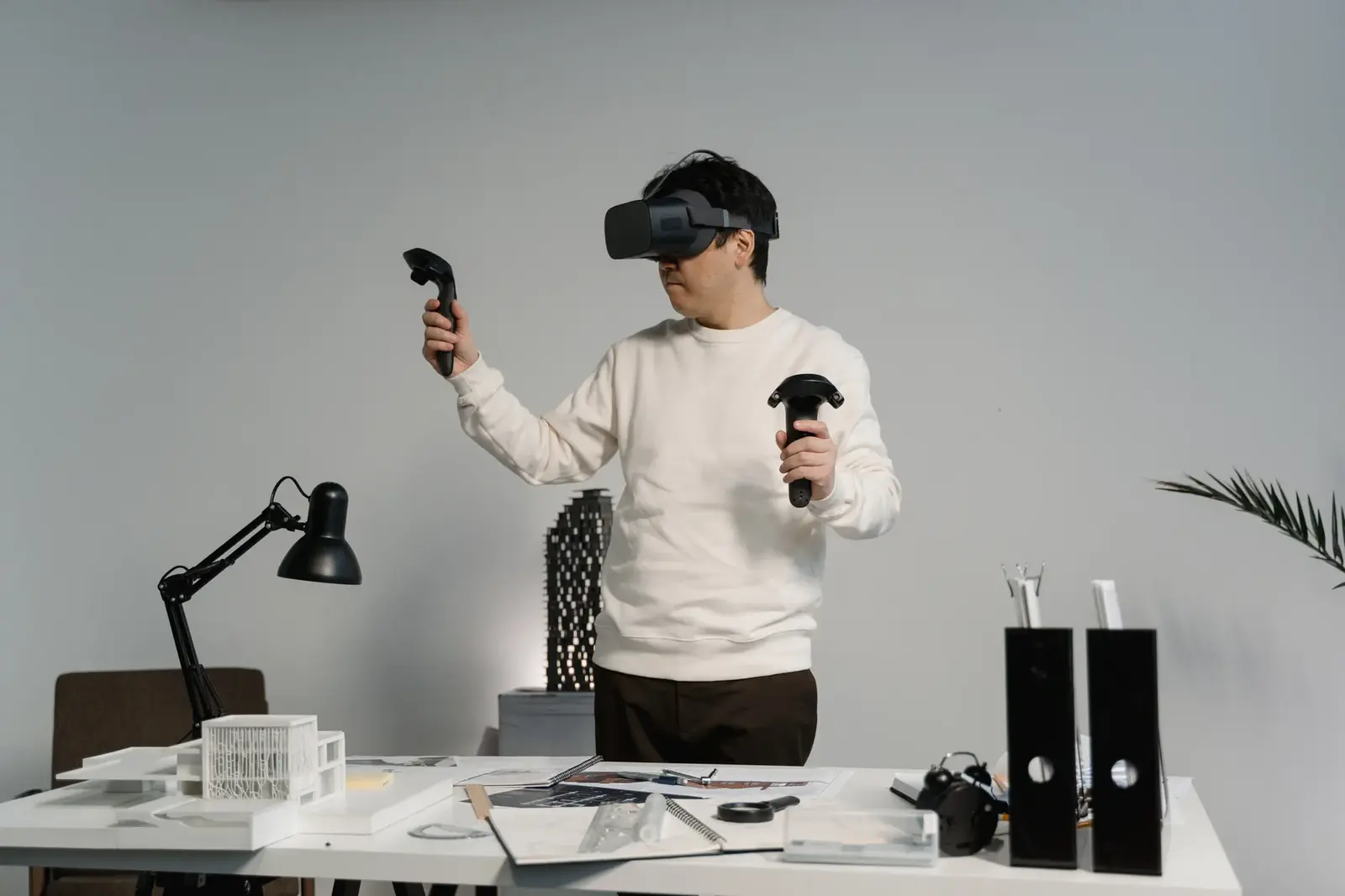
VR performance optimization now drives commercial outcomes for game publishers and platform owners. Every frame rendered smoothly and every millisecond cut from latency can translate to higher retention, more in-app purchases, and better chances for being featured by storefronts. Business buyers should see optimization as a business lever, not just a technical step.
Key players in the global market influence how VR projects compete for users and revenue. According to Fortune Business Insights, the global augmented and virtual reality market hit $30.26 billion in 2025 and is projected to reach $40.76 billion in 2026. This rapid growth makes it harder for buyers to stand out. Poor performance is quickly penalized by both users and platform curators.
Optimization influences business results directly. Here are the main outcomes that depend on high performance:
- Higher user retention: Fast, stable experiences keep players returning and raise lifetime value.
- Increased monetization: Performance issues shorten sessions and reduce microtransaction sales, which are key for free-to-play or hybrid models.
- Platform success: Games that meet or exceed performance standards are more likely to be featured, driving organic installs and publisher deals.
The bottom line for business buyers is clear: failure to invest in performance risks lower revenue, less engagement, and more uninstalls. By keeping optimization tied to commercial goals, you ensure vendors focus on results that matter.
Technical Considerations in VR Game Optimization
A well-performing VR game results from thoughtful, data-driven technical choices. Business buyers should understand and ask about several core areas when talking to potential partners. Every technical domain here impacts both player experience and your business outcomes.
Frame Rate Optimization: The Critical Role of Consistency
High, stable frame rates are essential in VR for comfort and immersion. Ask, “How do you ensure frame rates stay above target thresholds on our chosen platforms?” Dips below 72Hz, or inconsistent frame timing, can cause motion sickness and drive players away. Good partners will explain their strategies for balancing CPU and GPU loads, controlling scene complexity, and using dynamic resolution scaling tailored to your platforms. This is similar to how game art optimization balances visuals and performance.
Latency Reduction: Preserving Immersion and Comfort
Latency is the delay between user input and the visual feedback in VR. High latency ruins immersion and can cause disorientation. Ask, “What steps do you take to minimize end-to-end latency for our game?” Look for examples like predictive rendering, input pipeline tuning, and asynchronous timewarp. Also, see how they manage hardware dependencies to ensure improvements work across all supported devices.
Hardware Compatibility: Ensuring Broad Accessibility
With many new VR devices launching, your game must perform well across a variety of headsets. Ask, “How do you approach hardware compatibility testing for new and older headsets?” Top companies will show systematic device profiling and optimization. They’ll refer to a device matrix and outline their strategy for handling platform-specific performance gaps. This is as important as console game performance optimization across diverse hardware.
Testing and QA: Building Confidence in Real Results
Quality assurance can make or break optimization work. Ask, “What is your process for performance testing and QA?” Listen for automated test harnesses, regression reporting, and industry-standard benchmarking tools. Sample test reports and dashboards should demonstrate thorough and repeatable VR testing, not just manual checks.
Bringing these technical questions into your due diligence ensures that strengths in optimization support your broader business vision.
How to Assess a VR Optimization Studio’s Track Record
Picking a VR optimization studio takes more than scanning client lists or listening to promises. Ask for real evidence of results, especially in games, where measurable impact shapes platform features and replay value. Digging into the details lets you make smarter choices and reduce risk.
In 2025, Asia Pacific accounted for over 38.3% of global VR market revenue, showing how regional expertise can turn local studios into major global players. Look for partners with success in multiple regions, so your title can reach wider audiences and meet varied platform standards.
A side-by-side comparison clarifies your options. Here’s a sample of the metrics to request from prospective vendors:
| Vendor | Number of VR Projects | Platforms Supported | Example Results |
|---|---|---|---|
| Studio A | 12 | Quest, Vive, Pico | 30% latency drop |
| Studio B | 8 | Quest, PSVR | 20% frame rate improvement |
| Studio C | 15 | Multi-platform | 25% retention boost |
Here’s what those numbers mean:
- Number of VR projects: More projects point to experience handling different genres and complex challenges.
- Platforms supported: Multi-platform experience shows technical agility and platform awareness.
- Example results: Look for quantifiable outcomes aligned with your business goals, such as better frame rates, lower latency, or higher retention.
Leading partners will present these metrics up front, with project examples and references. Match this evidence to your VR game performance optimization checklist to make decisions driven by results.
VR Optimization Tools and Technology Stack

The tools, engines, and platforms a VR optimization studio uses shape how they spot and fix performance issues. In 2026, the growth of the high-performance computing market makes staying current with technology vital for scalable and reliable optimization. According to Grand View Research, the high-performance computing sector is projected to reach $61.0 billion in 2026, reflecting greater demand for advanced simulation and optimization across sectors, including gaming.
When you review a studio’s stack, look for a mix of reliable engines, specialized profiling tools, and scalable infrastructure:
- Game engines: Unity, Unreal Engine, and Godot remain widely used for VR development and optimization. Ask which engines your partner prefers and why.
- Profiling tools: Key tools include Oculus Performance Head-Up Display, SteamVR Frame Timing, and Unity Profiler. Studios should show you real diagnostic outputs from these platforms, tailored to your target devices.
- Cloud and HPC resources: Many studios use cloud and high-performance computing to run large-scale automated tests and simulations across multiple devices. This is crucial for projects supporting both mainstream and niche VR headsets without manual bottlenecks.
Knowing your vendor’s technology stack offers insight into their ability to diagnose, resolve, and report on performance at the speed of modern game release cycles. This is as important as GPU optimization for PC game performance.
Business Models and Engagement Structures
How you contract a VR optimization company affects timelines, cost predictability, and flexibility as your project evolves. Different business models have their own benefits and drawbacks. Make sure to weigh these options against your internal requirements, procurement guidelines, and risk comfort.
Compare the three most common engagement models for VR performance optimization:
| Model | Pros | Cons | Best For |
|---|---|---|---|
| Fixed Bid | Predictable cost | Less flexibility | Well-defined projects |
| Time & Materials | Flexibility | Potential overruns | Evolving requirements |
| Retainer | Ongoing support | Ongoing cost | Long-term optimization |
- Fixed Bid: Best for clear, well-scoped projects where requirements are stable. Offers cost certainty but little room for changes.
- Time & Materials: Adapts to shifting priorities, with payment based on hours worked. Used often for R&D or iterative development. Monitoring is needed to keep costs in check.
- Retainer: Allows a continuous working relationship for ongoing optimization, maintenance, or live service support. Ideal for studios or publishers with multiple releases or live service needs.
Choosing the model that fits your business process and risk profile helps ensure smooth collaboration and fewer surprises.
Common Pitfalls When Selecting a VR Optimization Vendor
Selecting a VR optimization partner without a defined process increases risk and could mean missed business goals. Watch out for these common mistakes:
- Focusing only on price instead of value or outcomes. The cheapest option may deliver the least improvement, especially for VR game optimization. True value shows up in retention gains and increased revenue.
- Overlooking communication and transparency. Weak communication causes missed milestones and unclear progress. Always ask how and when a vendor will update you and involve your team.
- Ignoring platform-specific expertise. VR hardware changes quickly. A general game studio without VR experience can miss optimization opportunities and platform requirements.
- Underestimating ongoing optimization needs. Performance tuning in VR is rarely a one-off job. New headset firmware, SDK updates, and live content demand constant attention.
- Not requesting measurable results or references. Many studios explain theory or process, but only a few offer data-backed results and real project references. Always verify prior success with genuine testimonials or direct client contacts.
By reviewing these pitfalls when asking your VR optimization company questions, you reduce mismatches and give your project a better chance at strong delivery and commercial success.
How GameFirms Supports Informed VR Optimization Partner Selection
Finding the right VR optimization partner can be challenging, especially for business buyers new to the space or scaling quickly. GameFirms streamlines research and decision-making by offering curated information and transparent tools, backed by market data on high-performance computing. In 2025, North America accounted for over 41% of the high-performance computing market, highlighting the expertise available to buyers worldwide.
GameFirms supports business buyers searching for VR game optimization partners in these ways:
- Curated directories: Only studios with meaningful VR game optimization experience are listed, so you start with qualified candidates. This helps distinguish them from general mobile game development companies or PC game development companies.
- Detailed profiles: Each vendor’s profile features their technology stack, key case studies, engagement models, and performance results, making real comparisons easier.
- Comparison tools: Dynamic filters let you sort vendors by supported platforms (Quest, PlayStation VR2, Pico, and more), services, and engagement models, saving research time and avoiding mismatched options.
- Transparent process: GameFirms does not rank or favor vendors based on payments. All recommendations are based on profile evidence and buyer feedback, ensuring an unbiased selection.
By bringing due diligence steps together and offering practical filters, GameFirms helps business buyers move from longlist to shortlist with confidence that their technology, monetization, and timeline needs are addressed. This is especially helpful when considering mobile game backend migration questions for evolving live services.
Frequently Asked Questions
1. What are the most important questions to ask a VR performance optimization company?
Some of the most important questions focus on VR platform specialization, approaches to frame rate and latency optimization, past results, optimization tools used, and how the studio connects their work to your business metrics. For a comprehensive list, see the questions to ask a VR performance optimization company.
2. How does VR game performance optimization affect user retention and monetization?
Well-optimized VR games create smoother experiences, improving player retention and session length. Strong performance also leads to higher in-app purchases and better placement on VR storefronts.
3. What technical skills should a VR optimization partner have?
Essential skills include expertise with engines like Unity and Unreal, hands-on knowledge of profiling tools, multi-platform optimization experience, and a strong VR testing and QA process.
4. How can I verify a studio’s experience with VR game optimization?
Request detailed case studies, metrics showing before-and-after results, and direct testimonials or references from clients in the VR field. Look for clear, quantified business outcomes.
5. What business models do VR performance optimization companies offer?
Most studios offer fixed bid, time and materials, and retainer models. Each fits different project types and budget needs. Match the engagement model to your organization’s goals for flexibility and predictability.
6. How do VR optimization companies measure and report performance improvements?
Vendors use profiling tools to track frame rate, latency, and crash frequency. They should deliver regular reports comparing pre- and post-optimization results and show how improvements support your KPIs.
7. Why is frame rate and latency optimization critical for VR games?
Frame rate and latency are crucial because even slight drops can cause motion sickness, break immersion, and shorten sessions. Optimizing these maintains comfort and boosts user retention.
8. What are typical pitfalls to avoid when choosing a VR optimization vendor?
Avoid focusing only on price, skipping references, neglecting communication, picking studios without platform expertise, or viewing optimization as a single fix. Careful vetting prevents costly mistakes.
9. How do I compare VR optimization companies for multi-platform projects?
Review each vendor’s experience with different devices, request platform-specific results, and look for detailed test plans showing strong performance across all your targeted VR hardware.
10. How does GameFirms help business buyers find the right VR optimization partner?
GameFirms provides curated directories, detailed vendor profiles, and unbiased comparison tools, making it easier for business buyers to find skilled partners who meet their technical and business needs.