

Key Takeaways
- Game art outsourcing rates differ widely by asset type, with 3D character and environment art usually costing more than 2D assets.
- Mobile game art outsourcing budgets depend on monetization goals and revenue forecasts, so accurate cost scoping is vital.
- In 2025, 3D animation outsourcing led the market, showing strong demand for external talent in complex asset categories.
- Studios should evaluate vendors for workflow scalability, transparent pricing, and experience with similar asset types.
- Understanding cost drivers and procurement methods helps studios optimize budgets and avoid common mistakes.
Game studios feel intense pressure to deliver standout visuals while keeping costs in check, especially in the crowded mobile games market. According to Mordor Intelligence, 3D animation outsourcing made up 57.40% of the market share in 2025, highlighting the need for external partners on complex assets. Outsourced art budgets are more nuanced than many expect, with asset type, project scale, and monetization strategy directly shaping rates. This article breaks down pricing benchmarks by asset category, explains major cost drivers, and offers procurement guidance for studio buyers.
Understanding game art outsourcing rates by asset type, alongside broader game art outsourcing costs, is essential for solid project planning. With accurate scoping, studios can match creative vision to real budget limits.
Pricing Benchmarks by Game Art Asset Type
Game art outsourcing rates by asset type shift based on complexity, detail, platform, and the studio’s production pipeline. The most significant factor is the kind of asset you need, 3D character models for console titles have different requirements and costs than basic 2D icons for mobile. Studios should analyze these differences at the outset to prevent budget surprises later.
Here is a table showing typical 2026 outsourcing rates for key asset types:
| Asset Type | Typical Price Range (USD) | Key Variables | Platform Context |
|---|---|---|---|
| 3D Character Art | $1,500 -$7,000+ / asset | Rigging, animation, realism, polycount | Mobile/Console/PC |
| 2D Character Art | $200 -$1,200 / asset | Number of frames, style complexity | Mobile/Indie/PC |
| Environment Art (2D) | $500 -$3,000 / scene | Complexity, layering, resolution | Mobile/Indie/PC |
| Environment Art (3D) | $2,000 -$10,000+ / set | Interactive elements, size, LOD | Console/PC/Mobile |
| Props and Items | $50 -$800 / asset | Detail, interactivity, quantity | Mobile/Console/PC |
| UI/UX Art | $100 -$1,500 / screen | Animation, device adaptation, style | Mobile/Indie/PC |
| Concept Art | $150 -$2,500 / image | IP rules, visual fidelity, iteration | All platforms |
These rates reflect late 2026 pricing from established vendors across both global and regional markets. 3D character art outsourcing rates usually top the list, especially when advanced rigging or AAA quality is required. In contrast, 2D game art pricing often serves as the most affordable option for small projects.
Environment art outsourcing cost depends on the intended interactivity and visual complexity. Simple 2D backgrounds for mobile sit at the lower end, while detailed 3D worlds for PC and console require much higher investment.
The trend toward 3D asset outsourcing is clear. Mordor Intelligence found that 3D animation outsourcing made up 57.40% of the market in 2025, a pattern likely to continue as studios aim for high-quality graphics without growing their in-house teams.
Pricing benchmarks help when preparing RFPs or estimating a mobile game art outsourcing budget. By referencing these ranges, you can estimate unit costs, compare proposals, and schedule resources more effectively.
Key Cost Drivers in Game Art Outsourcing
Game art outsourcing costs depend on more than just the asset type. Knowing the full list of cost factors helps you build accurate budgets and avoid surprises as production progresses.
- Asset complexity and detail: High poly counts, intricate models, or advanced animations drive up costs, especially for 3D art.
- Art style and fidelity: Hyper-realistic or highly polished art fetches premium prices, while stylized or low-fidelity art is more affordable.
- Volume and batch size: Larger orders often lower the per-unit price, but small batches cost more due to overhead.
- Revision cycles and feedback rounds: More iterations or unclear feedback increase artist hours and inflate invoices.
- Vendor location and expertise: North American and Western European teams typically charge more than those in Asia or Eastern Europe, though specialized expertise can justify higher rates.
These drivers impact both the price per asset and the total project cost. For example, higher asset volume may lower unit price, but extra complexity or niche skills can eat up those savings. When sending RFPs, specify asset requirements, style guides, and what counts as an acceptable deliverable. This makes game art RFP pricing consistent across bids, so you can fairly compare vendors.
3D Character Art: Factors Affecting Outsourcing Rates
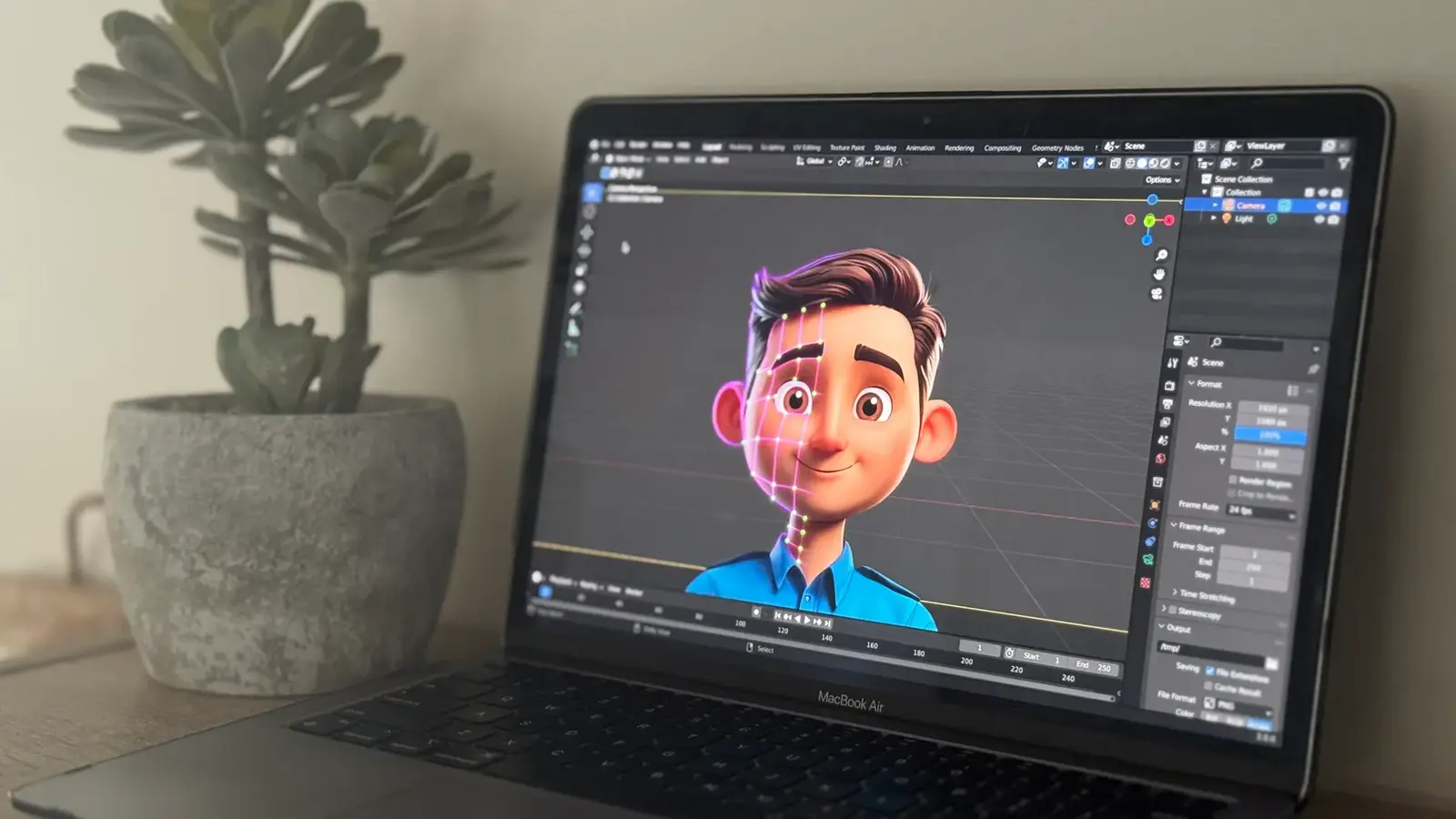
3D character art is widely recognized as the priciest asset type to outsource, driven by a blend of technical and creative demands. Understanding what shapes 3D character art outsourcing rates is essential for keeping budgets and project plans on track.
Technical Complexity
3D character models require more than visual polish. Rigs, bone structures, and complex animation systems all add to project workload. Large poly counts mean greater detail but longer modeling times. Many projects also require advanced skinning or blend shapes for lifelike movement, especially in action or RPG games.
Style and Customization
Stylized cartoon characters use different techniques and may demand less time than hyper-realistic models. If a character represents a well-known IP, extra rounds of stakeholder review and revision add cost. Studios should check vendor portfolios carefully to ensure the style matches their vision.
Use Case (Mobile vs. Console/PC)
Mobile games focus on performance and file size, so poly counts and textures are simpler, which helps reduce costs. Console and PC titles demand higher detail, complex rigs, and multiple Levels of Detail (LOD) for various camera views. This pushes up 3D character art outsourcing rates for premium platforms.
Studios developing for console and PC platforms should plan accordingly for these higher requirements.
Vendor Specialization
Working with a specialist vendor saves ramp-up time and boosts quality. Studios needing facial motion capture or PBR materials should select partners with clear experience in these areas, even at higher rates. For more details, see our guide on 3D character art outsourcing.
2D Game Art and UI: Typical Pricing and Scope
2D art forms the core of many mobile and indie games, powering genres from platformers to visual novels. This asset type is ideal when you need speed, lower cost, and rapid iteration to succeed.
- 2D sprites and characters: Range from $200 to $1,200 per asset, with costs shaped by animation frames, complexity, and style.
- Backgrounds and scenes: Most fall between $500 and $3,000, depending on detail, layering, and resolution.
- UI/UX art elements: Each screen or widget runs from $100 to $1,500, with interaction design, animation, and device support as key drivers.
When setting a mobile game art outsourcing budget, studios often prioritize 2D and UI art. These assets define player experience and help drive retention. Outsourcing partners are often brought in for sprints to support live ops updates or seasonal events.
Studios can control 2D game art pricing by providing clear references and batching assets when possible. This improves artist efficiency and shortens feedback loops. Teams focused on monetization benefit from rapid UI iteration, allowing A/B testing and conversion improvements without extensive rework. For more on UI art, see our article on game UI art outsourcing.
Environment and Prop Art: Cost Ranges by Scope
Outsourcing environment and prop art presents a wide price range, depending on technical needs and asset counts. Studios should tailor budgets and vendor selection to their specific project scope.
| Asset Scope | Price Range (USD) | Key Considerations |
|---|---|---|
| Simple 2D Environment | $500 -$1,500 | Static, minimal layering, few interactive elements |
| Complex 2D Environment | $1,500 -$3,000 | Multiple layers, parallax, rich color, large format |
| Simple 3D Environment | $2,000 -$5,000 | Small rooms, modular assets, basic lighting |
| Complex 3D Environment | $5,000 -$10,000+ | Open world, LOD, weather/time cycles, high detail |
| Static Props (2D/3D) | $50 -$400 | One shape, limited material or animation |
| Interactive Props (2D/3D) | $250 -$800 | Animation, multiple states, physics components |
Environment art outsourcing cost rises with scene size, complexity, and platform. Mobile games usually limit scope for faster load times and lower asset density. Console and PC projects may need vast, multi-biome worlds with hundreds of unique or interactive props.
Good asset planning, using modular pieces, capping unique models, and sticking to a style guide, helps manage costs while keeping the visuals engaging.
How Monetization and Revenue Targets Shape Art Budgets
Memorable visuals are important, but investment must match each game’s revenue and monetization plan. According to Cubix’s mobile game revenue statistics guide, studios that link art budgets to real financial projections sustain growth more successfully.
Monetization Models
Free-to-play games put more budget into high-quality UI and attractive character or item designs, since these drive sales in virtual stores. Premium, paid games tend to invest more in environments and standout art, aiming to boost initial sales appeal.
Revenue Projections
The most successful studios base their mobile game art outsourcing budget on projected revenue, not just creative ambition. Cost recovery, in-app conversion rates, and live ops plans all guide how art spend is split across asset types.
Art Quality and Player Retention
Art quality directly affects monetization. Well-designed characters and environments improve retention and make monetization tools, ads, battle passes, direct purchases, more effective. Spending wisely on strong visuals brings long-term benefits, if aligned with business goals.
Market Trends in Game Art Outsourcing
Game art outsourcing evolves quickly as studios chase higher visuals and respond to player expectations.
- Demand for stylized and high-fidelity art: Studios want vendors skilled in both cartoon and photorealistic styles. This trend is pushing up prices for specialized art teams.
- Growth of vendor pools in Asia and Eastern Europe: Competitive rates and strong skills in these regions are changing the global price landscape.
- Advances in animation and rendering tech: Real-time rendering and AI-assisted creation allow for more ambitious assets, but often require tighter oversight and more feedback cycles.
- Market growth remains strong: Mordor Intelligence reports a 14.24% CAGR in animation outsourcing for gaming in 2025, proof of rising demand for external content partners across asset types.
These trends mean game art outsourcing rates by asset type will keep shifting. Studios should expect more competition for top vendors, tighter timelines, and more complex pricing negotiations as asset needs evolve.
Procurement Strategies for Studio Buyers
A structured procurement process delivers better prices and lowers risk. To get the most from game art RFP pricing, follow these steps:
- Define asset scope and technical specs: List volume, format, resolution, and features for each asset. Include context, animation needs, and file types.
- Research and shortlist by asset expertise: Seek studios with proven results in your asset types, and check client references.
- Issue clear RFPs with references and guides: Provide visual samples, gameplay context, and a full asset list. This ensures proposals are comparable.
- Evaluate transparency and scalability: In 2025, production services made up 51.30% of the animation outsourcing market, showing the need for vendors who can scale and share clear breakdowns of costs and milestones.
- Negotiate milestone payments and revision limits: Link payments to milestones and cap revisions to prevent budget and timeline overruns.
Using these steps helps you compare vendor bids, manage risk, and keep your project aligned with both quality and business goals.
Choosing an Outsourcing Partner for Game Art
Choosing the right vendor is essential for strong ROI and quality outcomes. Reviewing game art outsourcing rates by asset type is only the first step.
- Portfolio relevance: Pick vendors with recent, high-quality work in the asset types you need. Ask for references geared to your game style or platform.
- Workflow and communication: Clear, frequent updates and defined workflows lead to fewer delays and less rework.
- Scalability and long-term fit: Vendors used to recurring, large deliveries are better equipped to adjust with your roadmap.
- Alignment with media/entertainment workflows: With the media and entertainment sector holding 60.20% of the animation outsourcing market share in 2025, look for vendors who match established production practices and work smoothly with other suppliers.
Always verify claims through references and case studies. Reliable partnerships offer flexible resources, transparent billing, and creative unity that keep your studio on time and on budget.
GameFirms’ Support for Studio Buyers
Studios exploring game art outsourcing rates by asset type, along with broader game art outsourcing costs, can rely on GameFirms for tailored support and commercial tools built for buyers. You can compare vendor skills and asset-specific pricing using detailed filters for asset category, budget, and platform.
GameFirms makes it easy to compare qualified vendors side by side, letting you quickly find partners with experience in 2D or 3D art, UI, animation, or large environment builds. The platform’s tools simplify RFP creation by prompting you for specifications, sample references, and licensing needs, while highlighting important commercial details.
Vendor vetting comes with verified client reviews and direct references, adding a layer of transparency and accountability to your process. GameFirms provides focused guidance to help buyers meet business and creative targets, making confident decisions without bias toward any vendor or style.
Frequently Asked Questions
1. What are the average game art outsourcing rates by asset type in 2026?
Rates cover a wide range, but 3D character art usually costs $1,500 to $7,000 per model. For 2D assets and UI elements, expect $100 to $1,500 each, depending on complexity.
2. How do 3D character art outsourcing rates compare to 2D game art pricing?
3D character art is often more costly because of rigging and animation complexities, while 2D art is generally faster and cheaper to produce.
3. What factors influence environment art outsourcing cost?
Scene complexity, interactivity, platform needs, and the number of unique assets all shape the final environment art outsourcing cost for a project.
4. How should a mobile game art outsourcing budget be planned?
Estimate your revenue and choose a monetization model. Then, allocate art expenses by asset priority and anticipated player retention strategies.
5. What is the typical process for game art RFP pricing?
Studios outline asset needs, send RFPs to vendors, compare bids for clarity, and negotiate milestones and revision schedules before contracting.
6. Are outsourcing rates different for indie studios versus AAA developers?
Yes, larger studios often secure lower rates due to higher volume, but premium vendors may charge more for high-profile projects, regardless of studio size.
7. How do outsourcing rates for props and environment assets differ from character art?
Props and environment assets cost less per item than characters, but total spending rises with asset variety and quantity.
8. What should be included in a game art outsourcing contract?
A strong contract covers asset specs, delivery times, payment terms, IP rights, and revision limits to protect both sides.
9. How can studios ensure quality when outsourcing game art?
Review vendor portfolios, validate experience, ask for references, and set clear quality criteria in both RFPs and contracts.
10. What are common mistakes buyers make when budgeting for outsourced game art?
Underestimating revision needs, missing technical details, and failing to match art spend to revenue projections often lead to project issues.