

Key Takeaways
- Game UI art outsourcing brings specialized talent and efficient scalability to interface design for studios.
- Success depends on clear project scope, matching the right partner, and open communication.
- Outsourcing game interface art helps studios of all sizes optimize their budgets.
- GameFirms enables buyers to compare and review game UI/UX art studios without giving endorsements or rankings.
- A well-structured evaluation process lowers risks and ensures UI art aligns with your project goals.
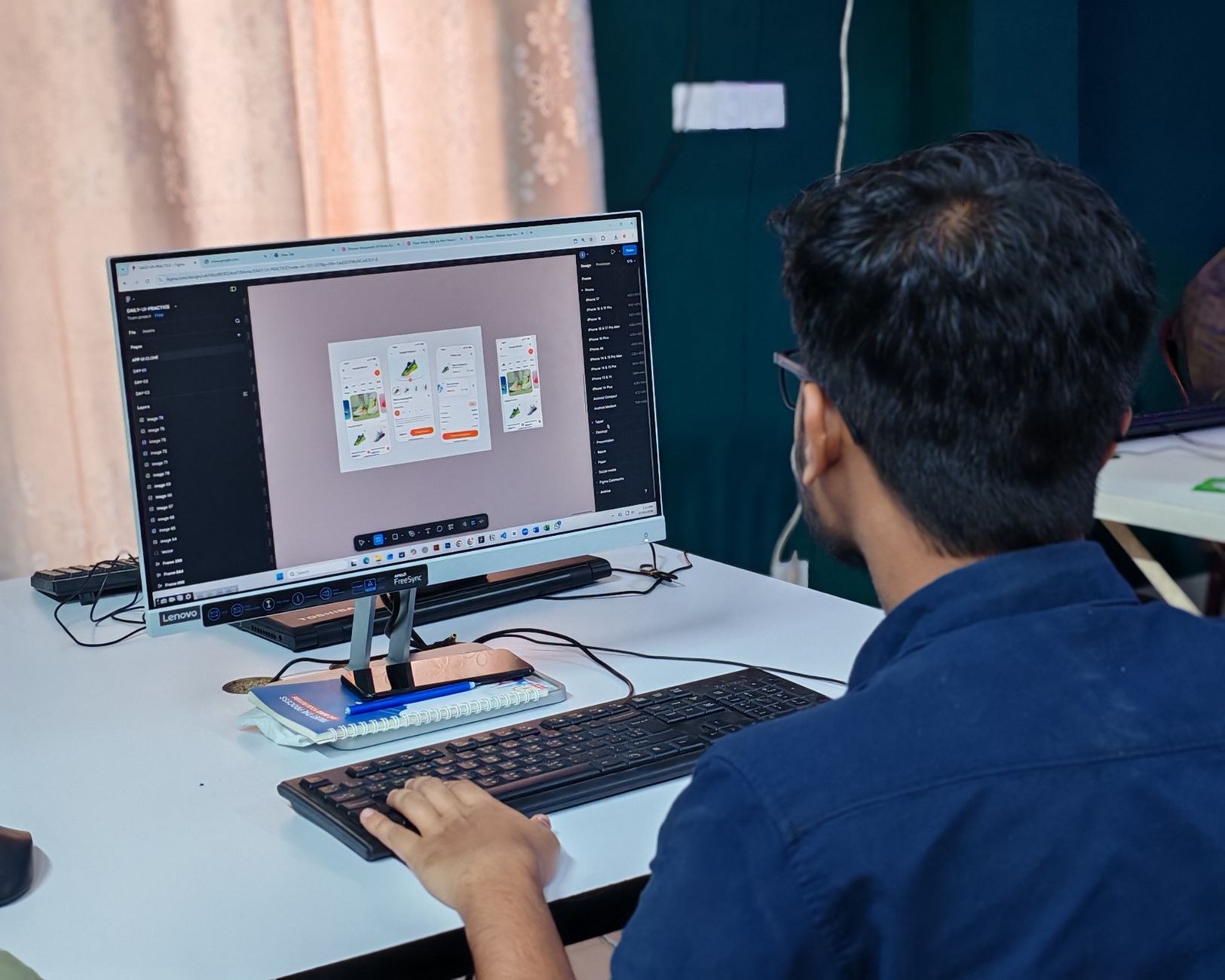
Game UI art outsourcing is now a core strategy for studios looking to stay both competitive and creative while managing time and costs. By outsourcing game UI design, studios tap into the expertise of interface specialists, resulting in polished, player-focused designs across every platform. This strategy isn’t just about cutting costs anymore, it’s a calculated way to bring in experience with user flows, menus, and distinctive art styles.
More studios today assign a significant share of art production, including UI and UX, to external teams. But working with outside partners can introduce challenges. Complex approval chains, cultural design differences, and integration with existing in-house systems often complicate the process. Choosing the right approach and partner is crucial for smooth, successful delivery. This article outlines the end-to-end process of game UI art outsourcing, key evaluation criteria, budgeting ranges, and how GameFirms supports studios in finding the right video game UI art partner.
What Is Game UI Art Outsourcing and Why Do Studios Use It?
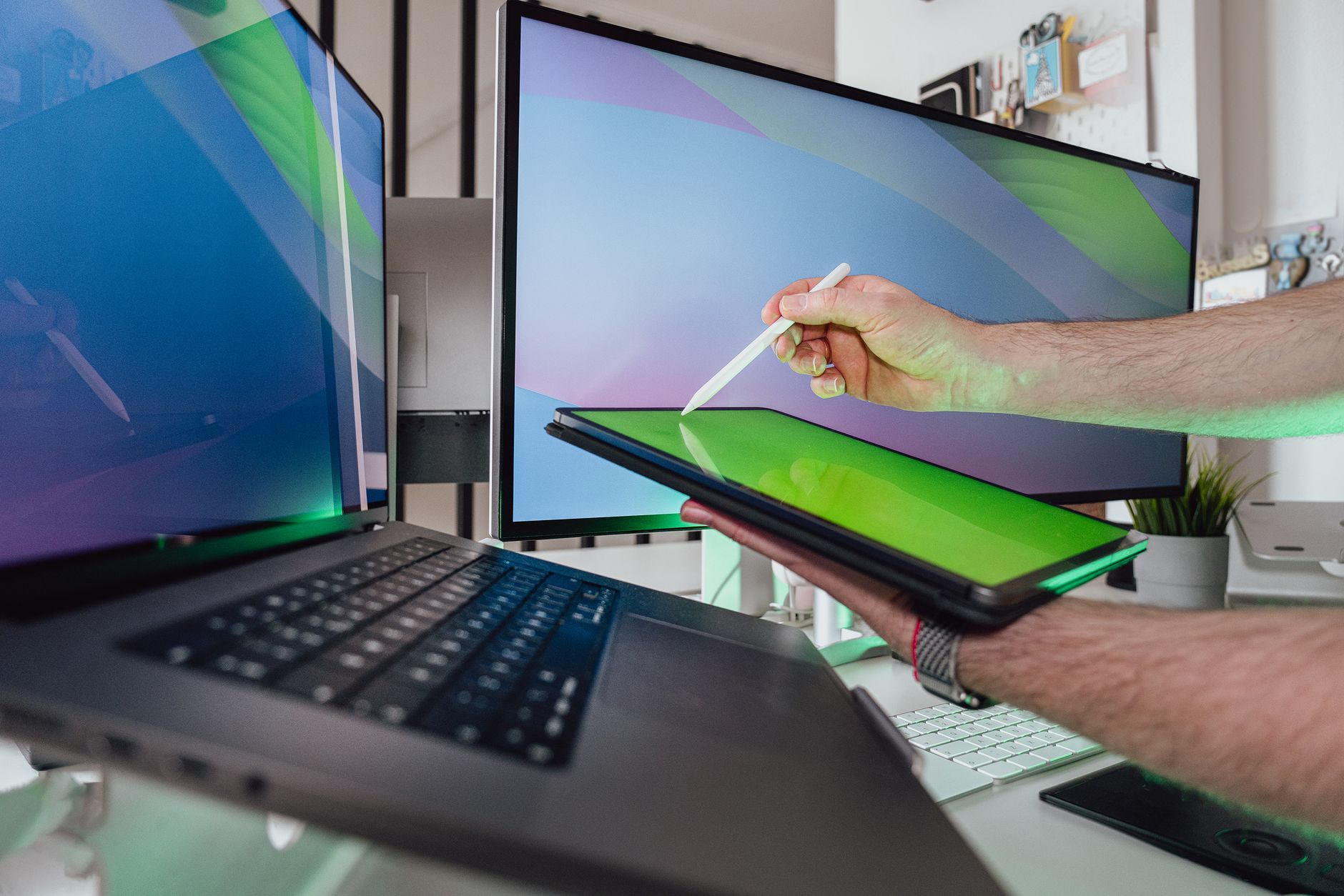
Game UI art outsourcing means working with external artists or studios to create a game’s user interface. These partners may oversee the full UI system, focus on specific menus or HUD elements, or provide extra help during critical points in production. Understanding what this work includes and why studios choose to outsource it clarifies its value and practical impact.
Scope of UI Art in Games
UI art in games covers a wide range of assets. This includes static and interactive menu screens, dynamic HUD elements, pop-up notifications, inventory icons, and controller overlays. UI art should always support a game’s art direction and branding. Consistency is essential, making every player interaction feel part of the same world, whether navigating menus or completing objectives. Studios expect partners to grasp and maintain these standards in every deliverable.
Why Studios Outsource UI Art
Studios pursue game UI design outsourcing for three main reasons. First, it gives them access to UI/UX specialists skilled in usability and visual clarity, skills that in-house teams might lack, especially for unusual platforms or genres. Second, outsourcing provides flexible staffing. Studios can scale support up or down without hiring permanent staff, which helps during prototyping or final polish. Third, it shortens timelines. Experienced UI partners work fast and maintain quality, so studios can deliver on schedule.
Common Outsourcing Models
There are two primary approaches: full-cycle and targeted engagement. Full-cycle projects task an outside studio with every UI element for a title, sometimes covering UX wireframes too. Targeted outsourcing narrows the scope, hiring partners for specific art tasks, like menu or HUD design, while keeping internal control of the broader project. Regardless of approach, the goal is always to create visually appealing, intuitive interfaces that enhance gameplay and meet project requirements.
Key Criteria for Evaluating Game UI/UX Art Studios
Choosing a game UI/UX art studio means weighing more than just creative skill. The right video game UI art partner should align with your project’s platforms, art direction, workflows, and communication needs. Below are the primary criteria that drive successful outsourcing engagements.
- Studio reputation and portfolio relevance: A proven track record with similar projects, genres, or scopes shows reliability. Reviewing portfolio work lets you judge if their style and quality match your goals. Studios in game art outsourcing companies often highlight UX-focused portfolio pieces. Look for titles with technical and visual similarities to your project.
- Experience with your platform and genre: UI design needs vary by platform, mobile, console, or PC, and by genre. A studio strong in RPG interfaces may not suit a competitive shooter or puzzle game.
- Communication and project management: Frequent, structured check-ins matter. The best studios use clear reporting, agile feedback cycles, and collaboration tools like Jira, Figma, or Asana to keep projects on track.
- Understanding of UX principles and game needs: Studios must show they grasp user experience basics, information hierarchy, and game-specific requirements like controller mapping and feedback cues. This includes understanding visual hierarchy in game environments.
- Flexible collaboration models: Your needs might change, so partners who can adapt, offering fixed-scope, agile sprints, or retainers, fit more smoothly with your workflow.
- Security, confidentiality, and IP protection: Protecting your game’s assets is essential. Trustworthy partners sign NDAs, restrict asset access, and use secure sharing and version control.
- Integration with in-house teams and pipelines: A great partner works as part of your team, syncing with asset management systems and communication channels. This compatibility keeps collaboration efficient and minimizes rework.
Studios that excel in these areas bring more than art, they deliver reduced risks and reliable alignment with your long-term production needs. Taking the time to assess each point leads to a smoother selection and better project outcomes.
Matching UI Art Partners to Your Game’s Platform and Genre
Finding a strong partner for game menu and HUD design outsourcing depends on your game’s platform and genre. Each combination brings unique requirements, so the ideal partner will have direct, relevant experience. The table below helps you compare what to prioritize for your own project.
| Platform/Genre | Key UI Art Needs | Partner Selection Tips |
|---|---|---|
| Mobile | Touch-friendly, scalable assets | Look for mobile game development companies portfolio |
| Console/PC | High-res, controller navigation | Experience with AAA/indie console game development companies or PC game development companies |
| VR/AR | 3D UI, spatial layouts | Proven VR/AR UI design expertise |
| Casual/Social | Simple, readable, fast-loading | Fast iteration, social game experience |
Game UI art outsourcing is never one-size-fits-all. A partner who shines at intricate PC HUDs might not be set up for the quick turnaround needed for social mobile games. VR and AR projects call for spatial thinking and the ability to prototype 3D layouts. Matching your video game UI art partner to the right platform and genre leads to better usability and stronger results.
Typical Game UI Art Outsourcing Process
Following a structured process for game UI design outsourcing keeps projects clear and well managed. Studios that understand each phase can prepare the right materials, set expectations, and ensure the work stays on track. Here are the typical steps from concept to delivery:
- Define project requirements and UI art scope.
Start by listing every UI component you need, including screens, interactions, and style preferences. - Shortlist and contact potential partners.
Identify studios with relevant experience and ask about their service models and availability for your game’s needs. - Review portfolios and request sample work.
Check recent projects and, when possible, assign a paid test task to judge fit and capability. This step is similar to issuing a game art RFP template to gather detailed proposals. - Negotiate terms, timelines, and deliverables.
Agree in detail on quality, revision cycles, asset formats, payment milestones, and deadlines to avoid surprises. - Kickoff meeting and style guide alignment.
Introduce the project clearly, reviewing aesthetics, branding, and pipeline requirements so everyone starts on the same page. - Iterative review and feedback cycles.
Schedule regular feedback checkpoints. This allows gradual refinement and limits late revisions. - Final delivery, integration, and QA.
Once approved, assets are delivered in the needed formats. After integration, studios QA test to confirm visuals work across all devices and platforms.
Using these steps helps studios get the best from game UI art outsourcing services, maintaining quality and meeting production goals.
Budgeting and Cost Factors for UI Art Outsourcing
Knowing what drives cost in game UI art outsourcing helps studios set realistic budgets. Outsourcing game interface art involves both fixed and variable fees, shaped by project complexity, deliverable size, and studio expertise.
Main Cost Drivers:
- Project size: The number of unique screens, interaction complexity, and animation needs all influence price.
- Studio location: Rates are higher in North America and Western Europe than in Eastern Europe, Latin America, or Southeast Asia.
- Revision cycles: More rounds of feedback raise costs. Defining limits or paid rounds keeps budgets in check.
- Level of polish: AAA games require more detailed interfaces, while indie studios may accept simpler solutions. The finish level directly affects expense.
Here are typical price ranges for key UI outsourcing tasks:
| Task Type | Typical Cost Range (USD) |
|---|---|
| Menu and HUD Design | $2,000 – $15,000+ |
| Full UI Art Package | $10,000 – $50,000+ |
| Icon/Asset Packs | $500 – $5,000+ |
These amounts serve as guidelines. Actual costs depend on the project’s features, art style, and the number of supported resolutions or in-game states. Studios considering game menu and HUD design outsourcing should seek detailed proposals to finalize their budgets. Including project management and possible rush or overtime fees can help prevent overruns.
Communication and Collaboration Best Practices
Communication is crucial for successful outsourcing game interface art. Studios that treat external teams as partners, not just vendors, see better outcomes and fewer surprises.
- Set clear expectations and deliverables upfront: Give partners a written outline with assets, formats, pipelines, and schedules. A thorough onboarding document can set the tone.
- Use collaborative tools (Slack, Jira, Figma) for feedback: Integrated platforms keep creative reviews organized and make version tracking easier.
- Schedule regular check-ins and milestone reviews: Weekly meetings or milestone demos help track progress and resolve issues before they grow.
- Share reference materials and style guides: Visual examples and annotated wireframes set the standard for polish and alignment with your brand.
- Document all feedback and decisions for transparency: Use shared docs or boards to track input, revisions, and approvals.
The best results with a video game UI art partner come from ongoing, two-way feedback, starting with early concepts and continuing through to asset delivery. Open and frequent communication makes outsourcing feel like an extension of your own creative team. This approach also supports deeper player emotion and immersion through UI design.
Common Challenges and How to Address Them
Game UI art outsourcing has its hurdles, from style mismatches to timeline slips and IP concerns. Knowing the risks and having strategies in place leads to stronger outcomes.
Misaligned Visual Styles
A common issue in game UI design outsourcing is a gap between what the studio expects and what the partner delivers. This usually stems from unclear requirements or incomplete briefings.
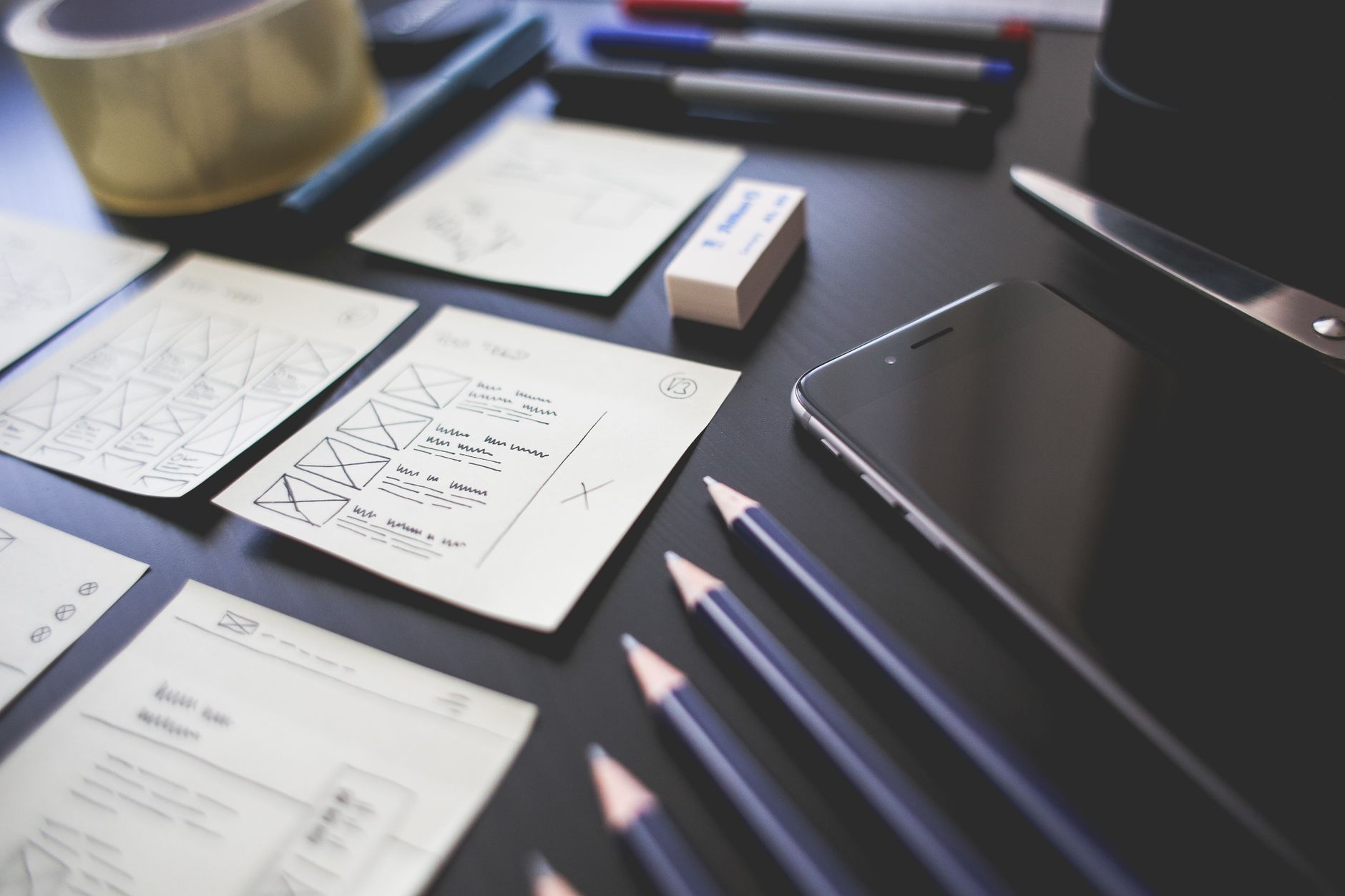
- Solution: Provide thorough design references, mood boards, and written descriptions. Approve early sketches and wireframes before moving to final assets, so adjustments happen early.
Slow Turnaround or Missed Deadlines
Even skilled studios can miss deadlines without structured roles, priorities, or review cycles.
- Solution: Set clear, realistic timelines with time for feedback. Use milestone payments and approvals tied to checkpoints. Regular meetings help spot bottlenecks early.
IP and Security Concerns
Game art and interfaces are valuable assets. Studios need to protect their intellectual property at every stage.
- Solution: Require signed NDAs and ensure contracts specify IP ownership and rights. Use secure file transfer and version control tools with access controls and audit trails. This protects sensitive assets and clarifies ownership.
How GameFirms Simplifies Your UI Art Partner Search
GameFirms offers an independent directory and review platform for anyone looking to source a game UI/UX art studio. The platform catalogs outsourcers’ capabilities and portfolio samples, helping buyers narrow their shortlist without rankings or endorsements.
- GameFirms is a directory and review platform for finding game UI/UX art studios. You can browse agencies, sort by specialty, and check each studio’s platform strengths and project track record.
- Buyers can compare studios by platform, style, and client reviews. Profiles and verified feedback provide insight into how each provider handles different genres and project types.
- GameFirms does not rank or endorse studios but delivers verified information to support your decisions. Listings are structured for side-by-side comparison, not for promotion.
- Tools for filtering by specialty, location, and past projects. Narrow your search by platform (mobile, console, VR/AR), art style, region, price range, or previous project types.
Whether you need a long-term video game UI art partner or game art outsourcing services for a single project, GameFirms makes review and comparison easier and more transparent. The platform delivers structured information to one of the most important decisions a modern studio faces. For insights on working effectively with external teams, see our community game art outsourcing studio resources.
Frequently Asked Questions
1. What is game UI art outsourcing and how does it work?
Game UI art outsourcing means hiring external specialists or studios to design user interfaces for games. The process involves briefing, portfolio review, contracting, and collaborative development until the final delivery.
2. How do I choose the right game UI/UX art studio?
Select studios based on their portfolio, experience with your platform, communication approach, and client feedback. Make sure their previous work fits your project’s needs.
3. What are the main benefits of outsourcing game interface art?
Outsourcing provides access to specialized talent, speeds up delivery, and lets studios scale resources without adding permanent staff.
4. How much does it cost to outsource game menu and HUD design?
Costs vary by region, complexity, and project scope. Menu and HUD design typically ranges from $2,000 to $15,000 and up.
5. What should be included in a game UI art outsourcing contract?
Include deliverables, timelines, payment terms, IP ownership, confidentiality, and the number of revision rounds in your contract.
6. How do I ensure quality and consistency with an external UI art partner?
Share detailed references and style guides, and maintain regular feedback cycles to align vision and execution.
7. What platforms do outsourced UI art studios typically support?
Most studios support mobile, PC, and console projects. Some specialize in VR/AR or specific genres.
8. How do I communicate effectively with an outsourced UI art team?
Use collaborative tools, schedule regular meetings, and document all feedback and decisions to stay organized.
9. What are common risks in game UI art outsourcing?
Risks include mismatched styles, missed deadlines, and IP concerns. Clear contracts and structured communication help reduce these.
10. How does GameFirms help with sourcing game UI art partners?
GameFirms provides a searchable directory, client reviews, and filtering tools to help studios find suitable UI art partners, without endorsing any specific provider.